
HAMABŌFŪ - FRESH COASTAL GINSENG - Glehnia littoralis
Description
浜防風 HAMABŌFŪ - FRESH COASTAL GINSENG - Glehnia littoralis
Aka. Glehn's Sprucewort, Coastal Ginseng
Location
Shizuoka
Size/Weight
100g Pack
Texture/Flavor Profile
Bright and crisp with a clean snap, hamabōfū offers a delicate balance of refreshing bitterness and subtle sweetness. The young stalks and leaves carry an herbaceous, almost celery-like aroma, while the flavor leans toward wild parsley with oceanic undertones—making it a vibrant accent in raw or cooked preparations.
Availability/Seasonality
This rare coastal herb typically sprouts in early spring, with peak harvesting season running from March to May. Grown along sandy shores and wind-swept dunes of Japan’s northern coasts, its limited window and wild nature make it a cherished spring delicacy among chefs and foragers alike.
About
Glehnia littoralis, known as hamabōfū in Japan, is a coastal plant traditionally used in Japanese cuisine and herbal medicine. Thriving in harsh seaside environments, it symbolizes both resilience and renewal. Its fresh young shoots have long been prized in regional ryōri for their unique flavor, seasonal charm, and gentle detoxifying properties.
Preparation
Blanch briefly and shock in ice water to preserve its color and texture. Hamabōfū can be finely sliced into salads, added to sunomono, or lightly sautéed in butter. It also pairs beautifully with seafood—especially shellfish—and adds an aromatic lift when folded into steamed rice, miso soups, or tempura batter.
Nutritional Value
Naturally high in fiber and antioxidants, hamabōfū also contains trace minerals from its coastal soil, and is said to aid digestion and circulation. It's a flavorful, functional ingredient that brings both balance and nourishment to spring menus.
Selection and Storage
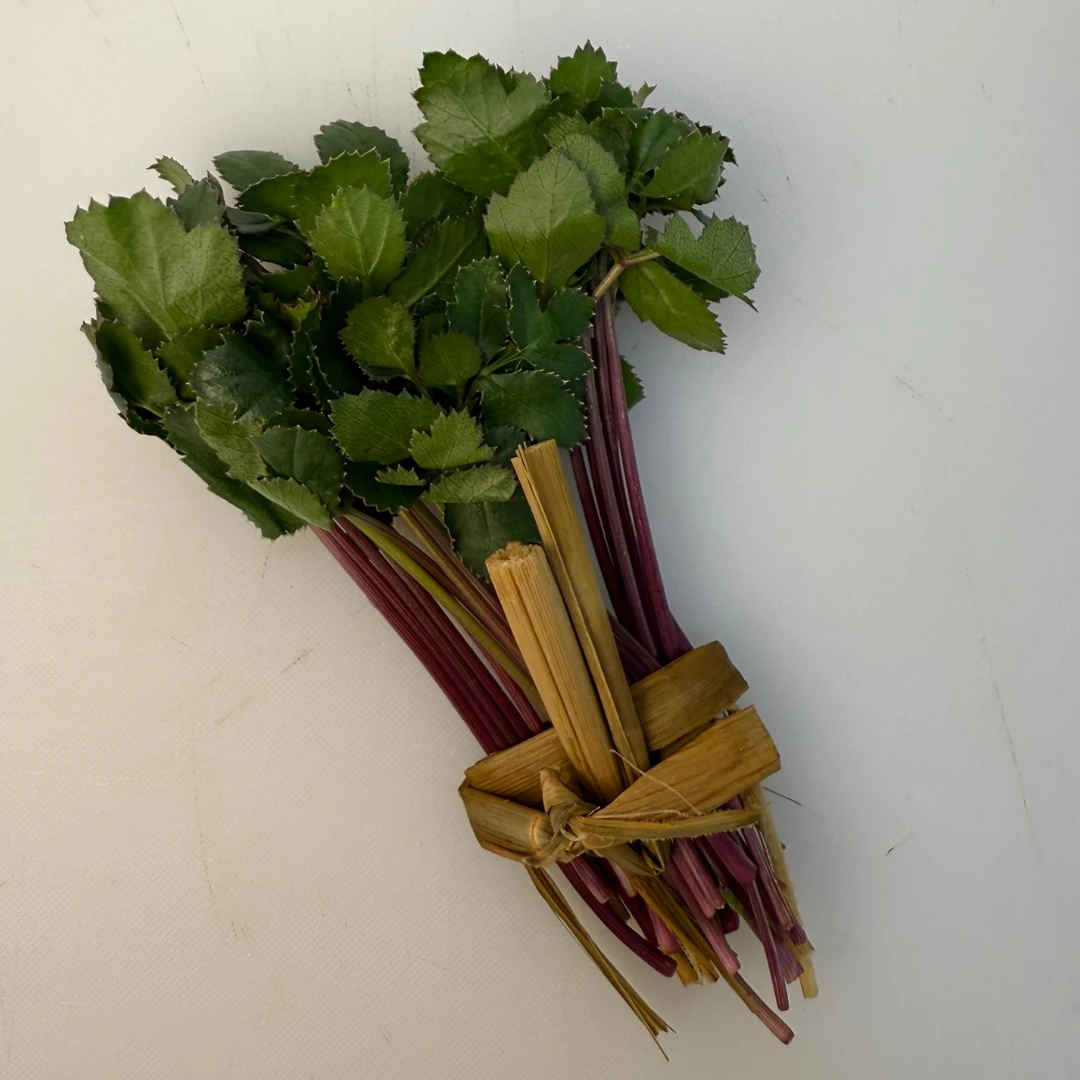
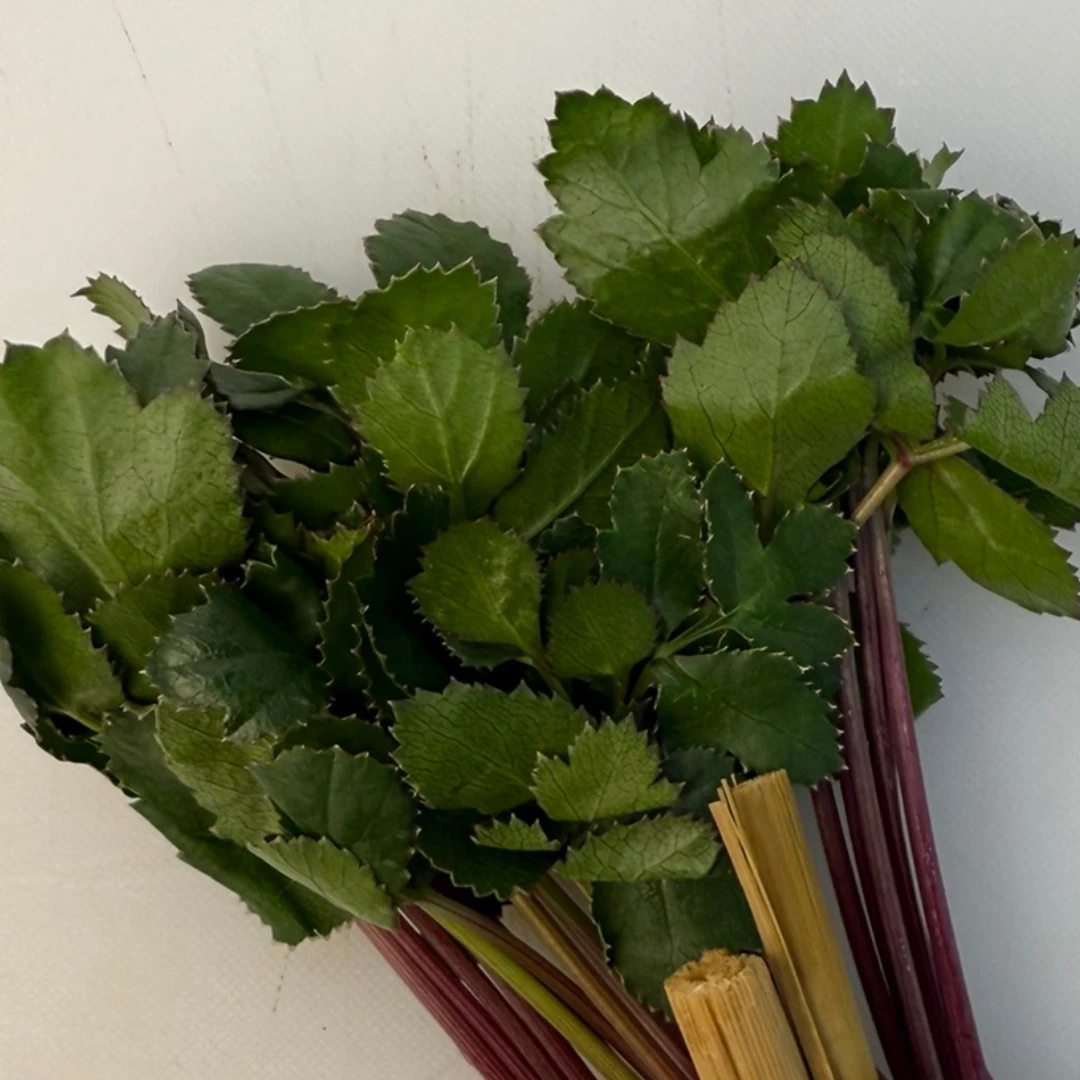
Look for firm, unblemished stems with vibrant green tops and purple highlights. Avoid wilted or limp leaves. Wrap loosely in damp paper towel and refrigerate. Best used within 3–4 days of harvest for optimal texture and flavor. Do not freeze.
Summary
Hamabōfū captures the wild energy of Japan’s northern shores in each bite. With its vivid color, crisp texture, and cleansing taste, it brings a seasonal flourish to any refined springtime dish.
Aka. Glehn's Sprucewort, Coastal Ginseng
Location
Shizuoka
Size/Weight
100g Pack
Texture/Flavor Profile
Bright and crisp with a clean snap, hamabōfū offers a delicate balance of refreshing bitterness and subtle sweetness. The young stalks and leaves carry an herbaceous, almost celery-like aroma, while the flavor leans toward wild parsley with oceanic undertones—making it a vibrant accent in raw or cooked preparations.
Availability/Seasonality
This rare coastal herb typically sprouts in early spring, with peak harvesting season running from March to May. Grown along sandy shores and wind-swept dunes of Japan’s northern coasts, its limited window and wild nature make it a cherished spring delicacy among chefs and foragers alike.
About
Glehnia littoralis, known as hamabōfū in Japan, is a coastal plant traditionally used in Japanese cuisine and herbal medicine. Thriving in harsh seaside environments, it symbolizes both resilience and renewal. Its fresh young shoots have long been prized in regional ryōri for their unique flavor, seasonal charm, and gentle detoxifying properties.
Preparation
Blanch briefly and shock in ice water to preserve its color and texture. Hamabōfū can be finely sliced into salads, added to sunomono, or lightly sautéed in butter. It also pairs beautifully with seafood—especially shellfish—and adds an aromatic lift when folded into steamed rice, miso soups, or tempura batter.
Nutritional Value
Naturally high in fiber and antioxidants, hamabōfū also contains trace minerals from its coastal soil, and is said to aid digestion and circulation. It's a flavorful, functional ingredient that brings both balance and nourishment to spring menus.
Selection and Storage
Look for firm, unblemished stems with vibrant green tops and purple highlights. Avoid wilted or limp leaves. Wrap loosely in damp paper towel and refrigerate. Best used within 3–4 days of harvest for optimal texture and flavor. Do not freeze.
Summary
Hamabōfū captures the wild energy of Japan’s northern shores in each bite. With its vivid color, crisp texture, and cleansing taste, it brings a seasonal flourish to any refined springtime dish.